Petco

Re-Branding

Art Direction

Overview

Petco, founded in 1965 in San Diego, started as a mail-order business providing veterinary supplies before shifting to retail in 1979. This move led to its expansion across the U.S. offering a variety of pet supplies. By the 1990s, Petco became a prominent player in the pet industry and launched its "Think Adoption First" initiative to promote pet adoption. In the 2000s, it embraced e-commerce and expanded services like grooming, training, and veterinary care.

My Role

Brand Design • Brand strategy

Art Direction • Motion Design

Team Member

Liya Yan

Rommy Duenas

Aditi Joshi

Jaylin Pinguil

Petco

Re-Branding

Art Direction

Overview

Petco, founded in 1965 in San Diego, started as a mail-order business providing veterinary supplies before shifting to retail in 1979. This move led to its expansion across the U.S. offering a variety of pet supplies. By the 1990s, Petco became a prominent player in the pet industry and launched its "Think Adoption First" initiative to promote pet adoption. In the 2000s, it embraced e-commerce and expanded services like grooming, training, and veterinary care.

My Role

Brand Design • Brand strategy

Art Direction • Motion Design

Team Member

Liya Yan

Rommy Duenas

Aditi Joshi

Jaylin Pinguil

Problem

The recent logo feels overly minimalistic and pushes away from the brand’s original image, which was friendly and warm.

The recent logo feels overly minimalistic and pushes away from the brand’s original image, which was friendly and warm.

Solution

Use warmer colors, softer typography, and a refreshed mascot to restore friendliness, character, and emotional connection.

Use warmer colors, softer typography, and a refreshed mascot to restore friendliness, character, and emotional connection.

Problem

The recent logo feels overly minimalistic and pushes away from the brand’s original image, which was friendly and warm.

Solution

Use warmer colors, softer typography, and a refreshed mascot to restore friendliness, character, and emotional connection.

Brand Profile

Brand Profile

Positioning Statement

Positioning Statement

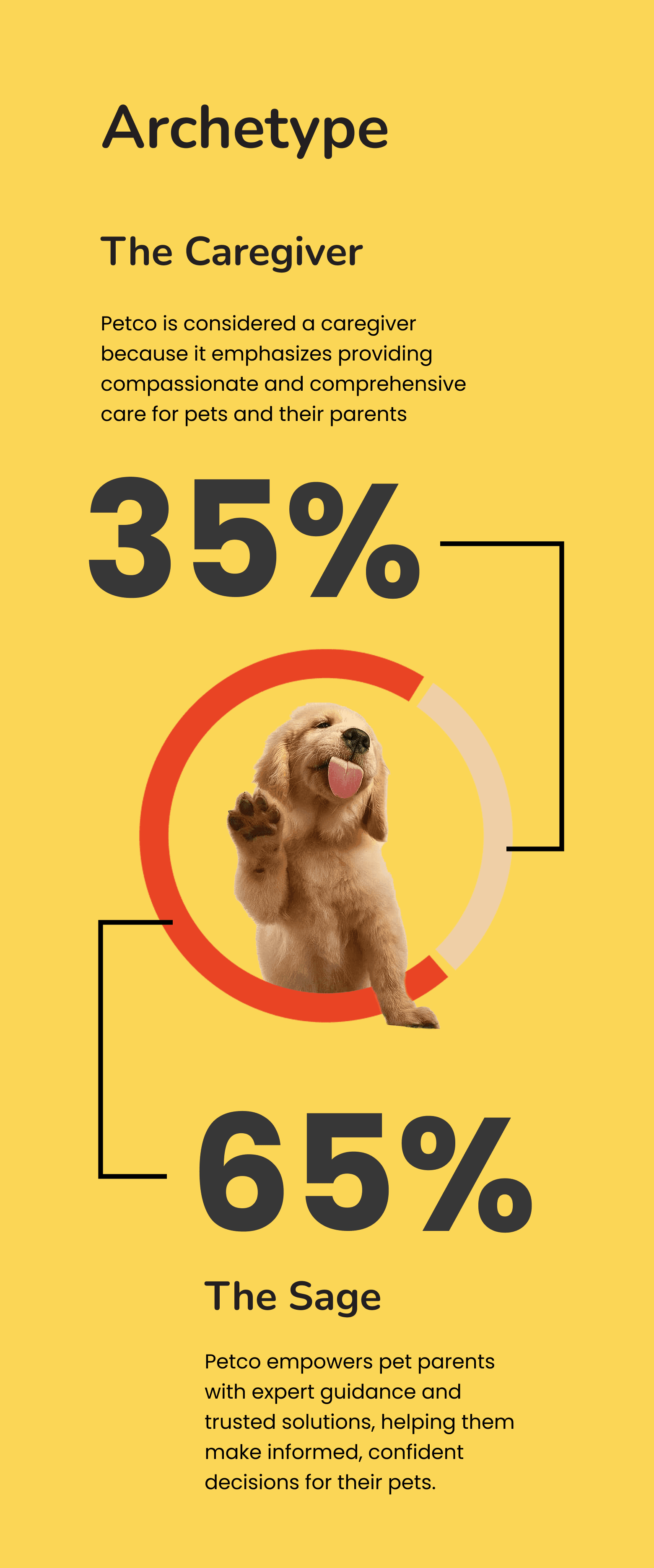
For pet parents, Petco is the go-to for all thing pets that offers trustworthy sustainable high-quality products and honest services, because we believe pets are part of the family and deserve to look their best and feel their best.

For pet parents, Petco is the go-to for all thing pets that offers trustworthy sustainable high quality products and honest services, because we believe pets are part of the family and deserve to look their best and feel their best.

Mission

Mission

To improve the lives of pets and their parents by providing high-quality products, expert care, and support for pet health, adoption, and responsible ownership.

To improve the lives of pets and their parents by providing high-quality products, expert care, and support for pet health, adoption and responsible ownership.

Vision

Vision

Petco’s vision is to inspire and advocate for the well-being of pets and their parents by building an informed, empowered community through expert care, trusted services, and quality products.

Petco’s vision is to inspire and advocate for the well-being of pets and their parents by building an informed, empowered community through expert care, trusted services, and quality products.

Brand Identity Design

Brand Identity Design

Design Statement

Design Statement

Currently Petco design is cold, serious and fails to establish a connection between pets and consumers. In re-branding we aim to design a visual identity that is modern, welcoming and approachable.

Currently Petco design is cold, serious and fails to establish a connection between pets and consumers. In re-branding we aim to design a visual identity that is modern, welcoming and approachable.

Master Brand Identity

Clear Space

Structure Analysis

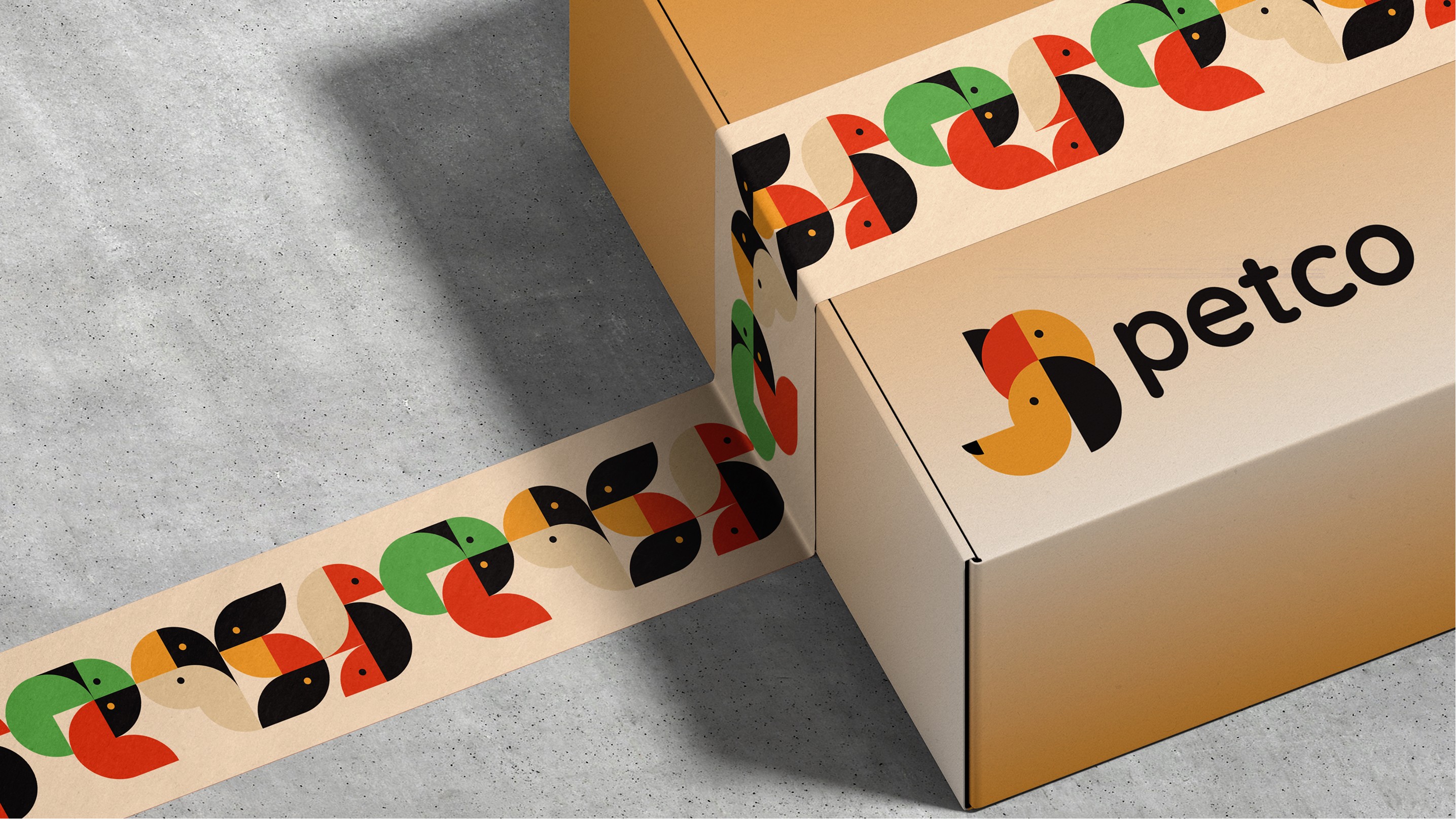
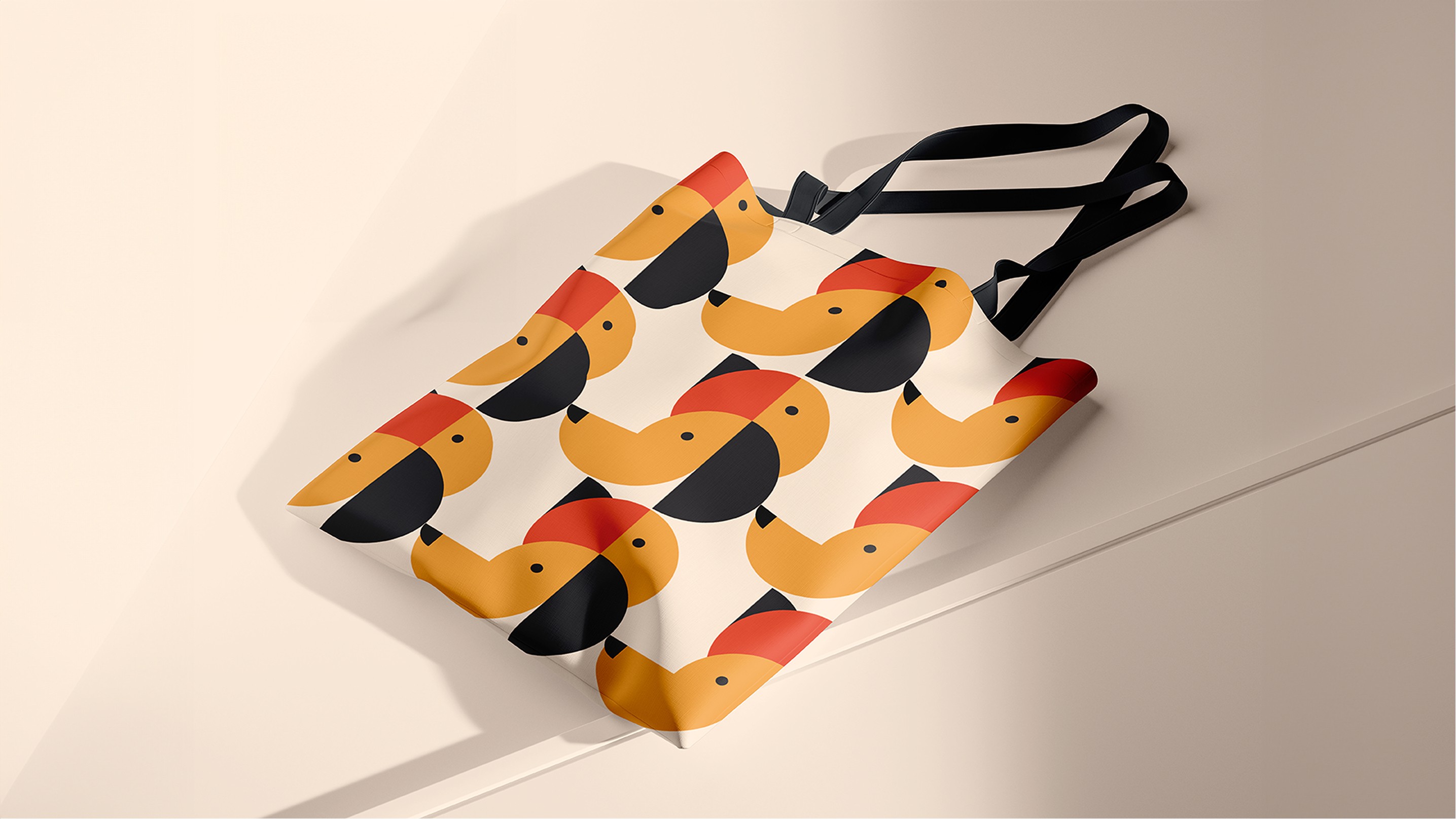
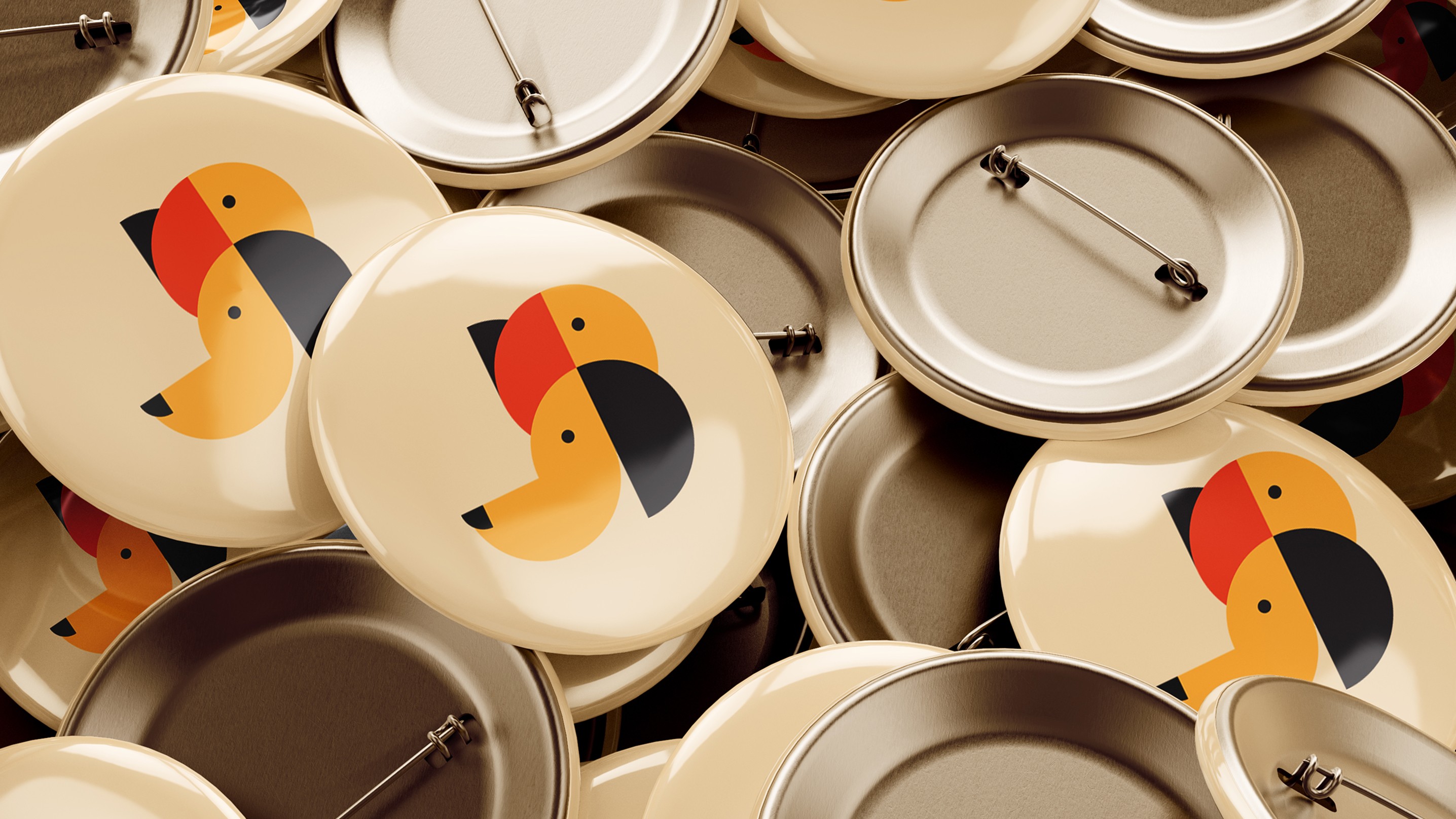
Dynamic System

Dynamic System

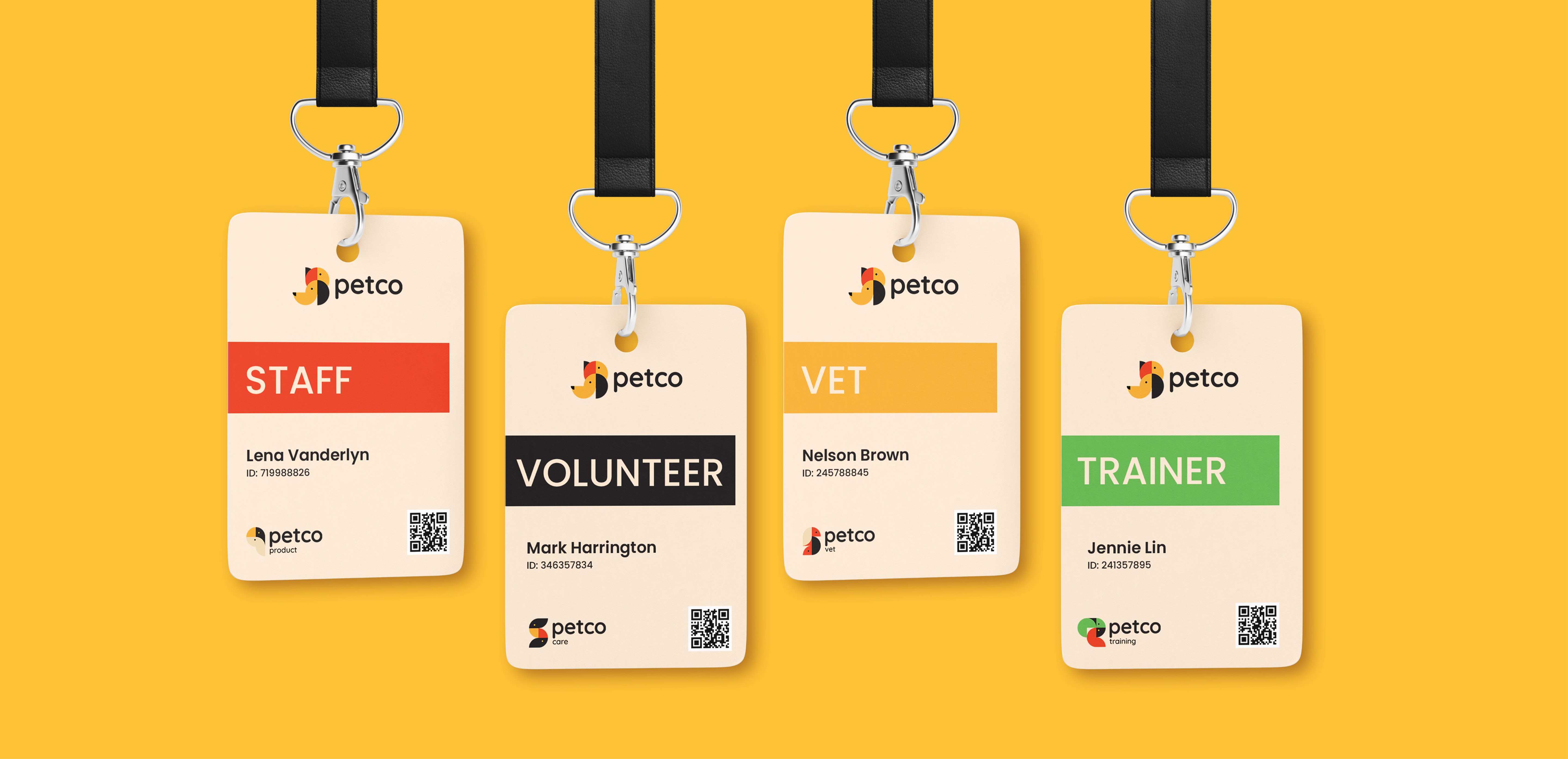
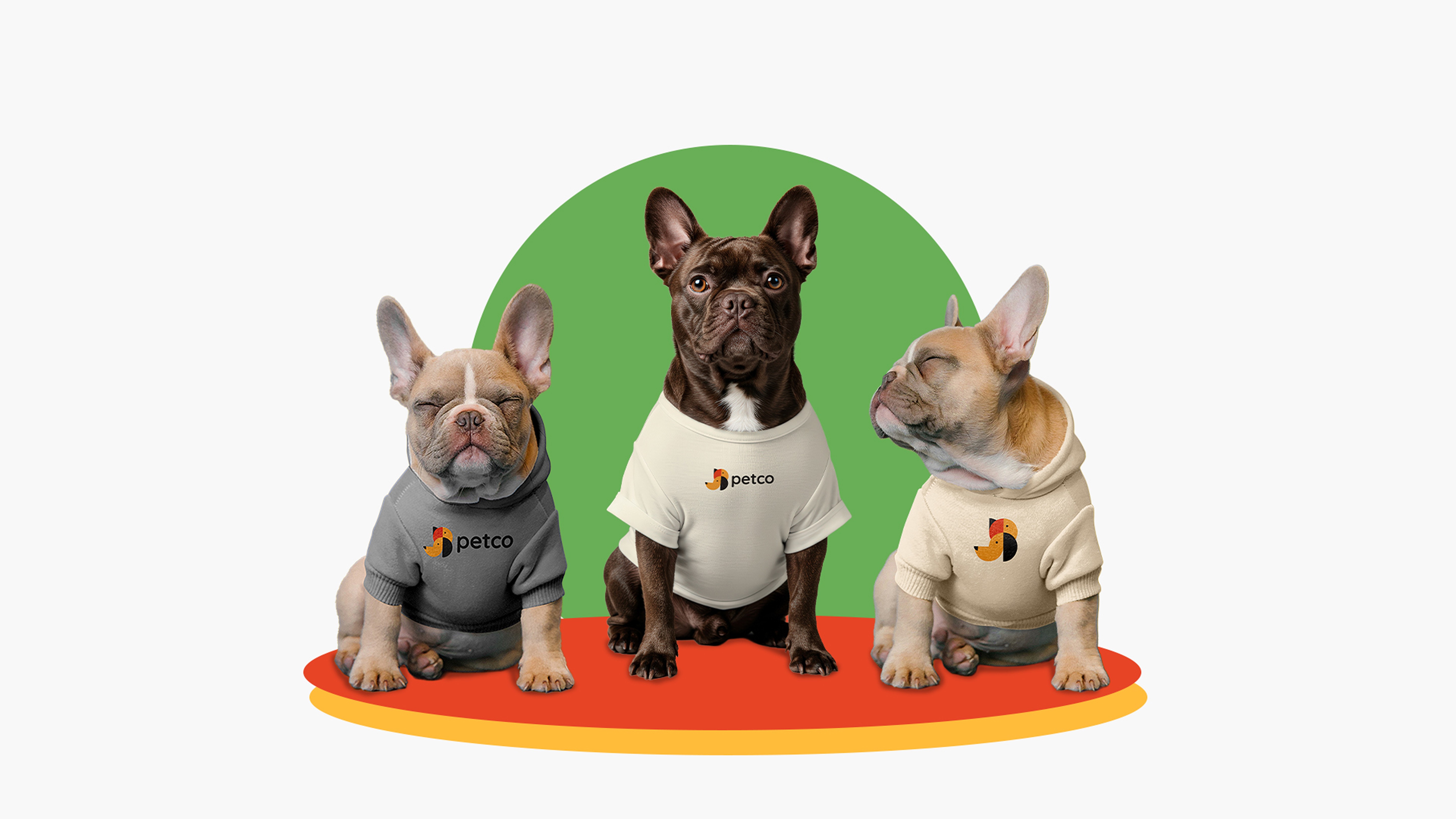
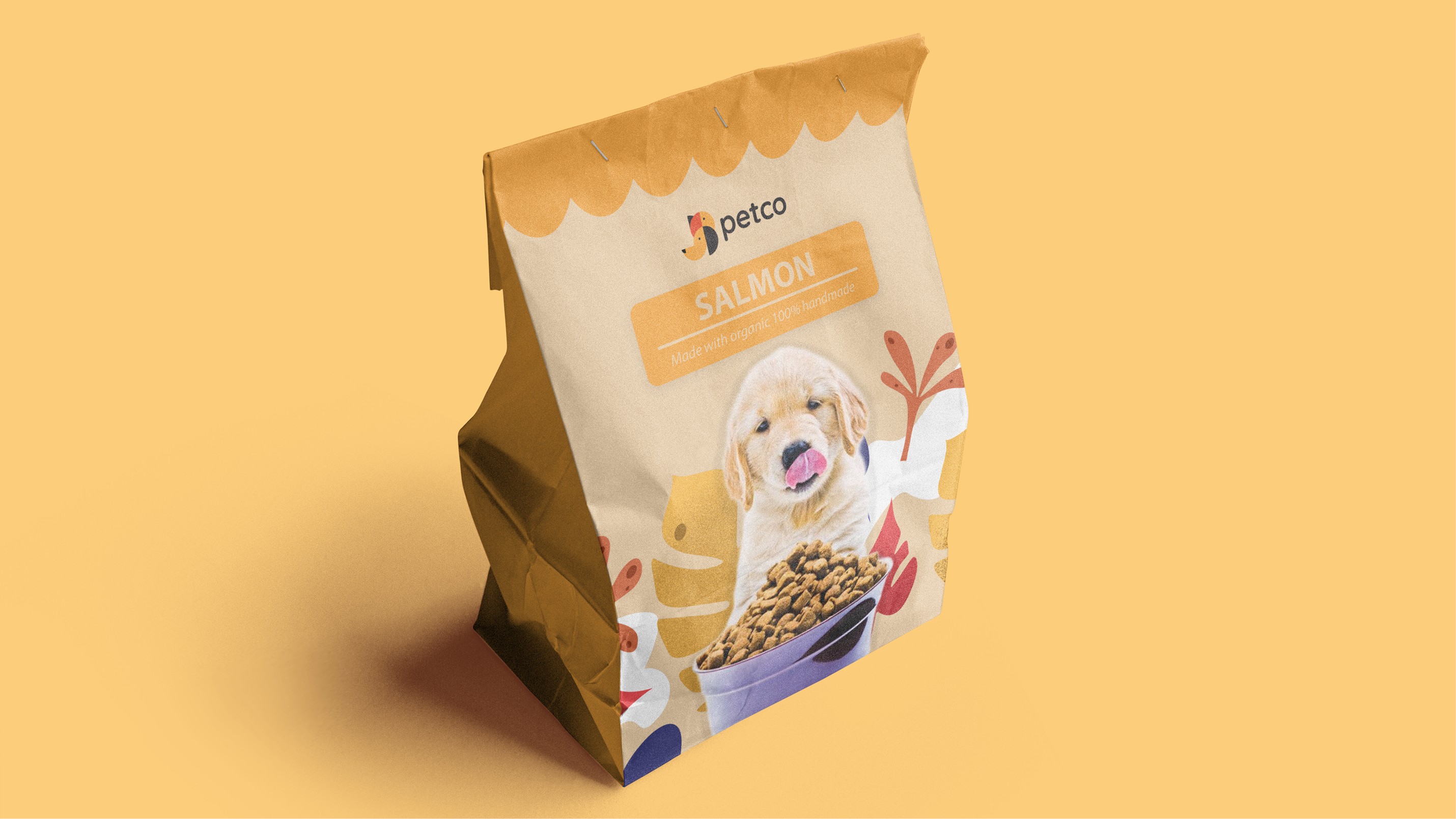
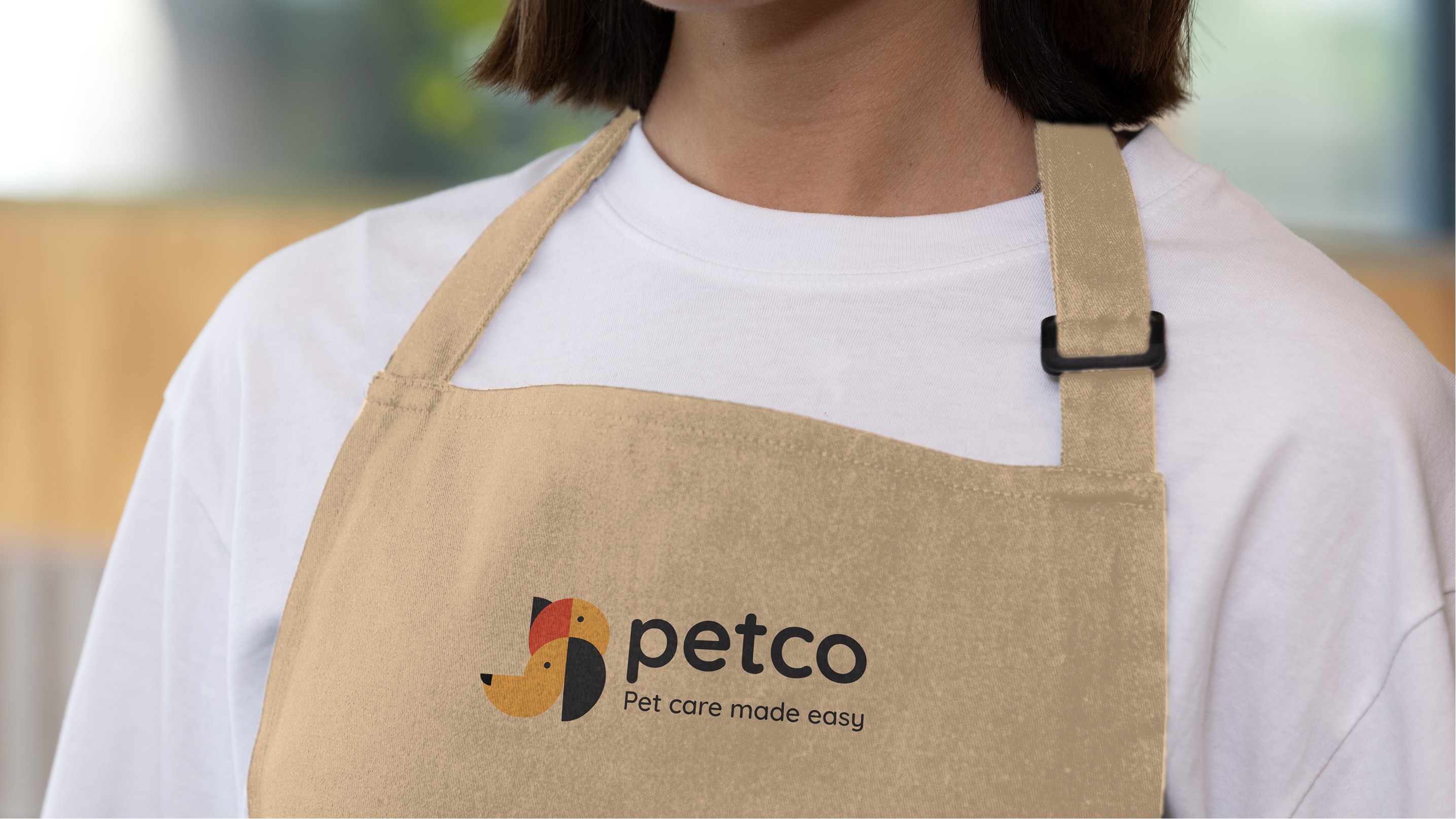
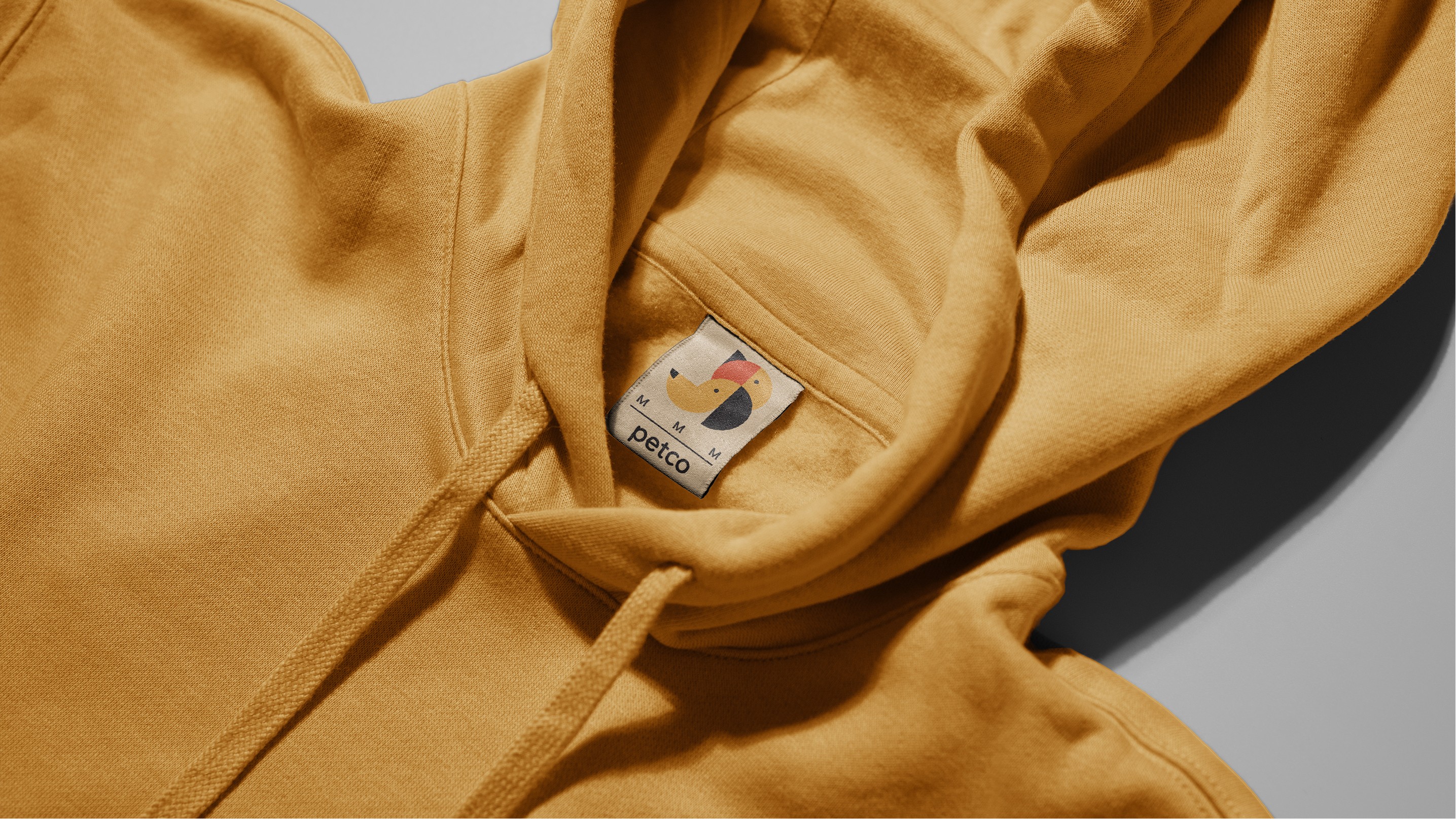
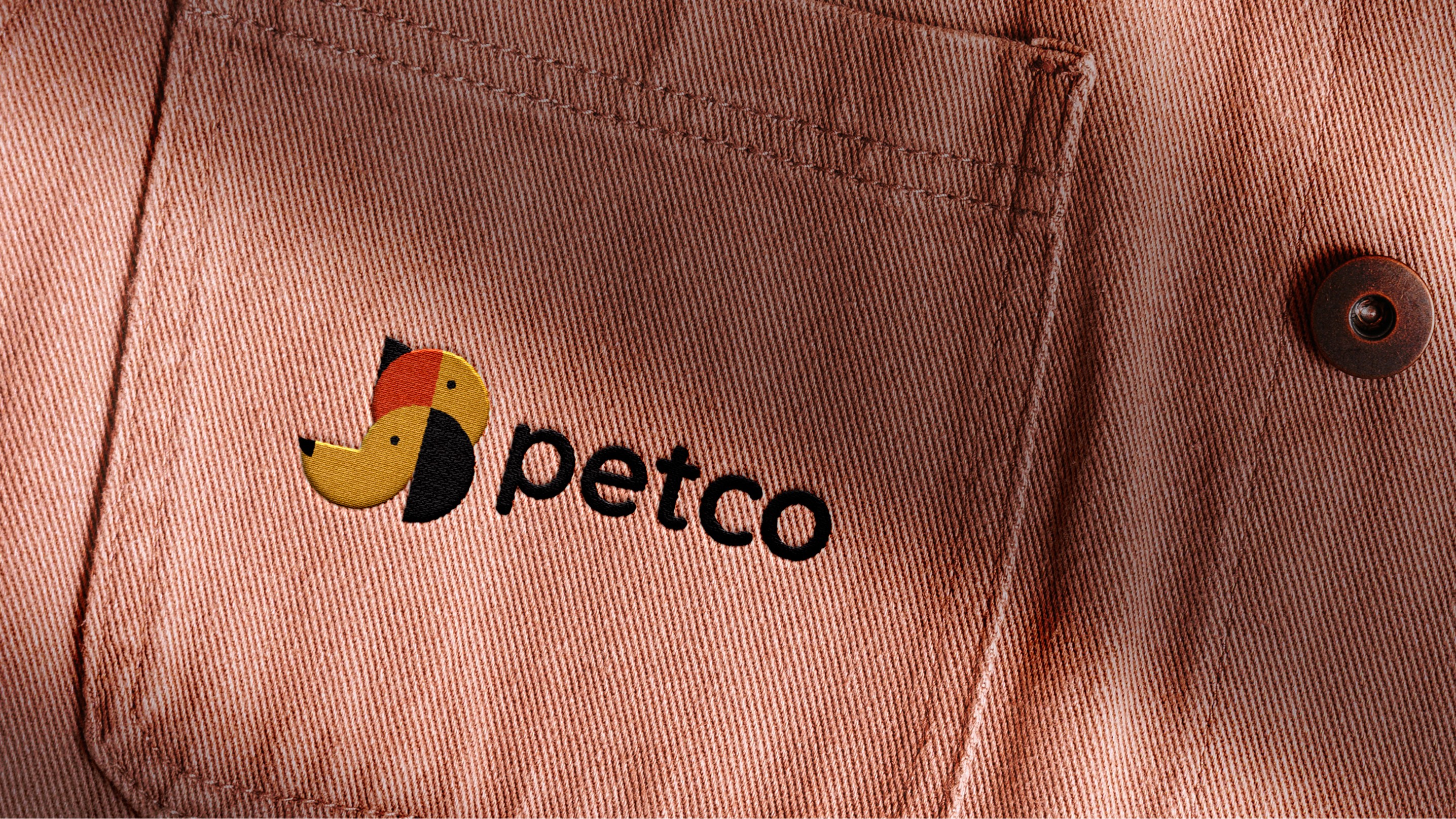
Application

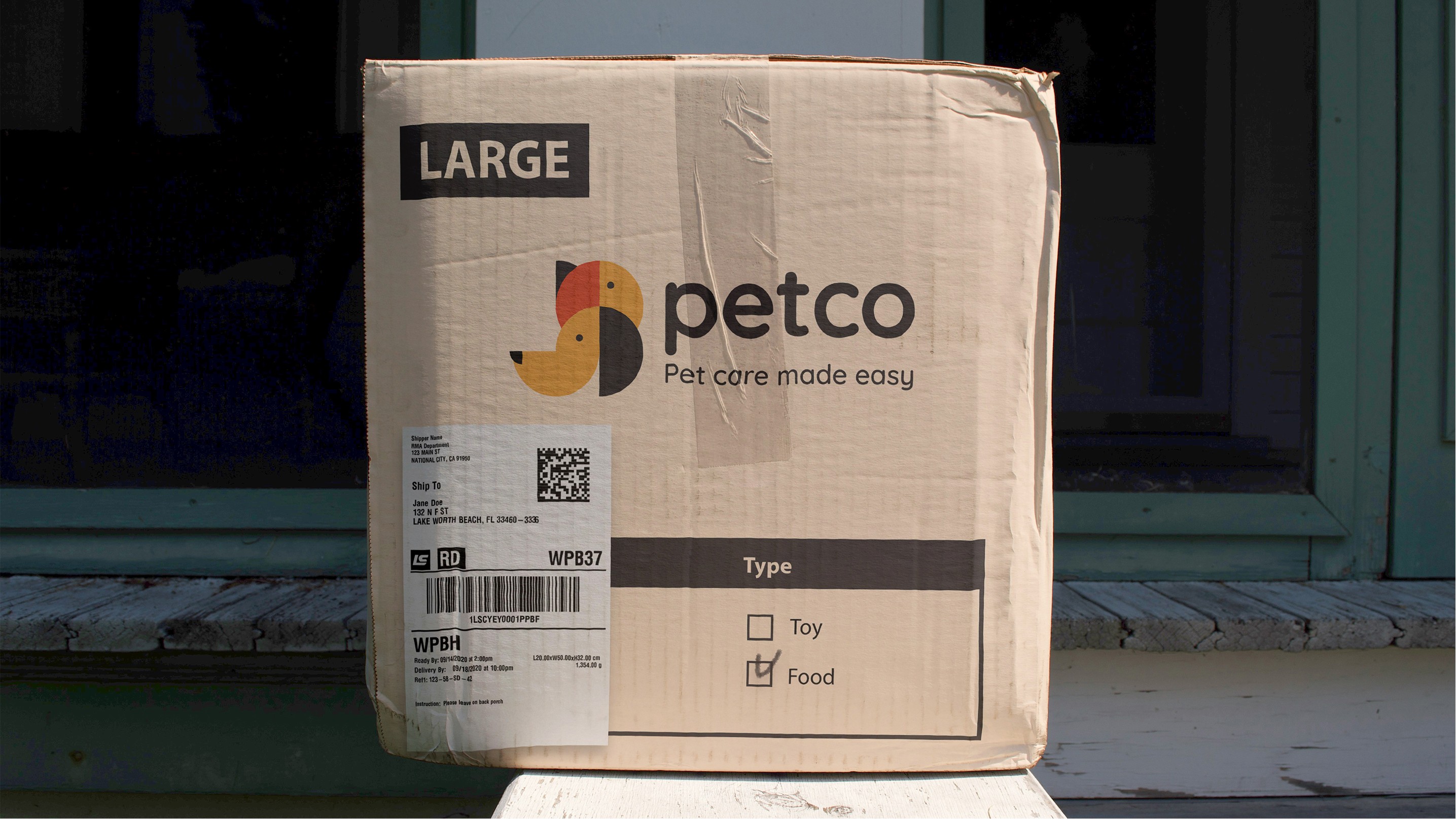
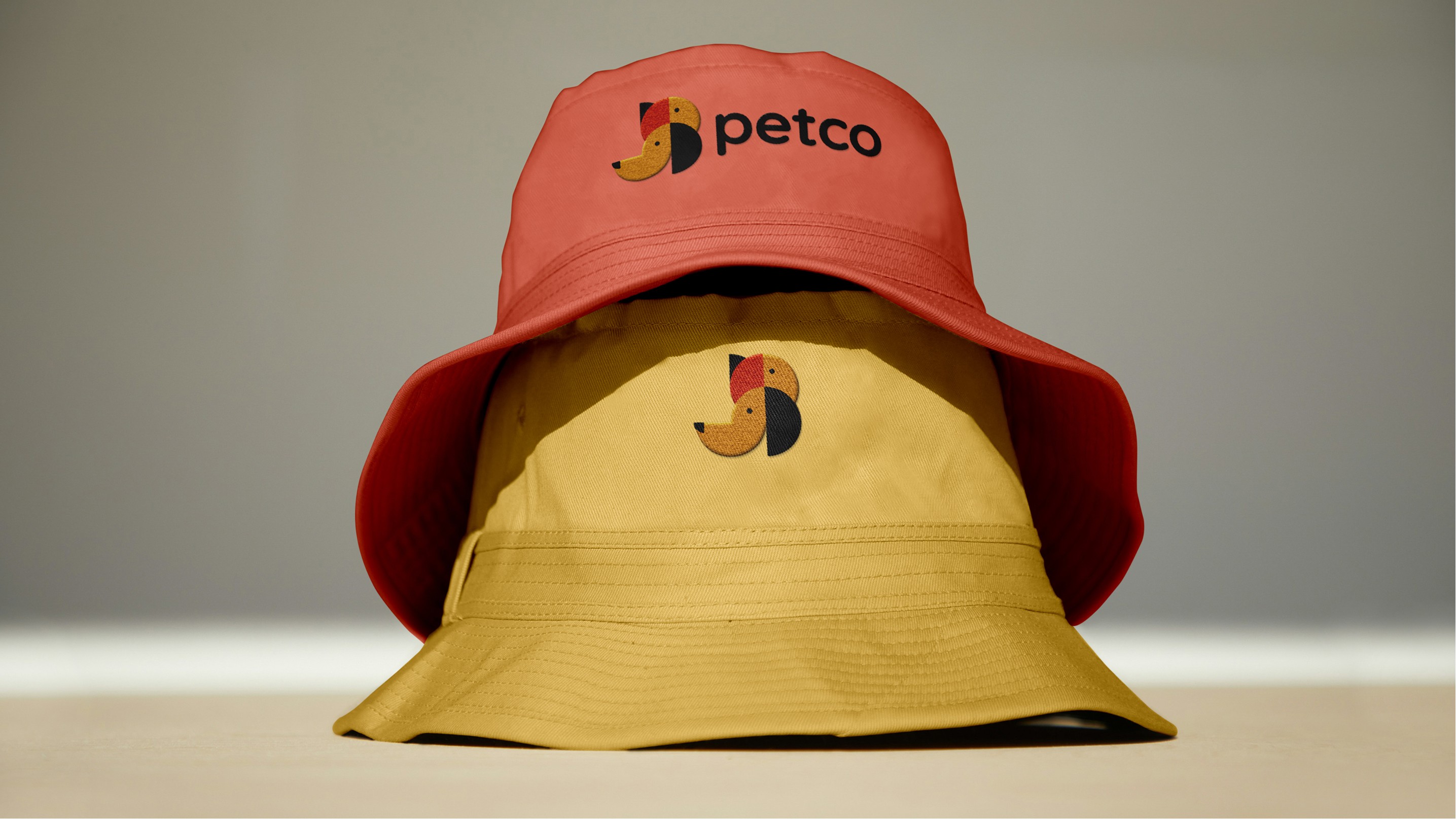
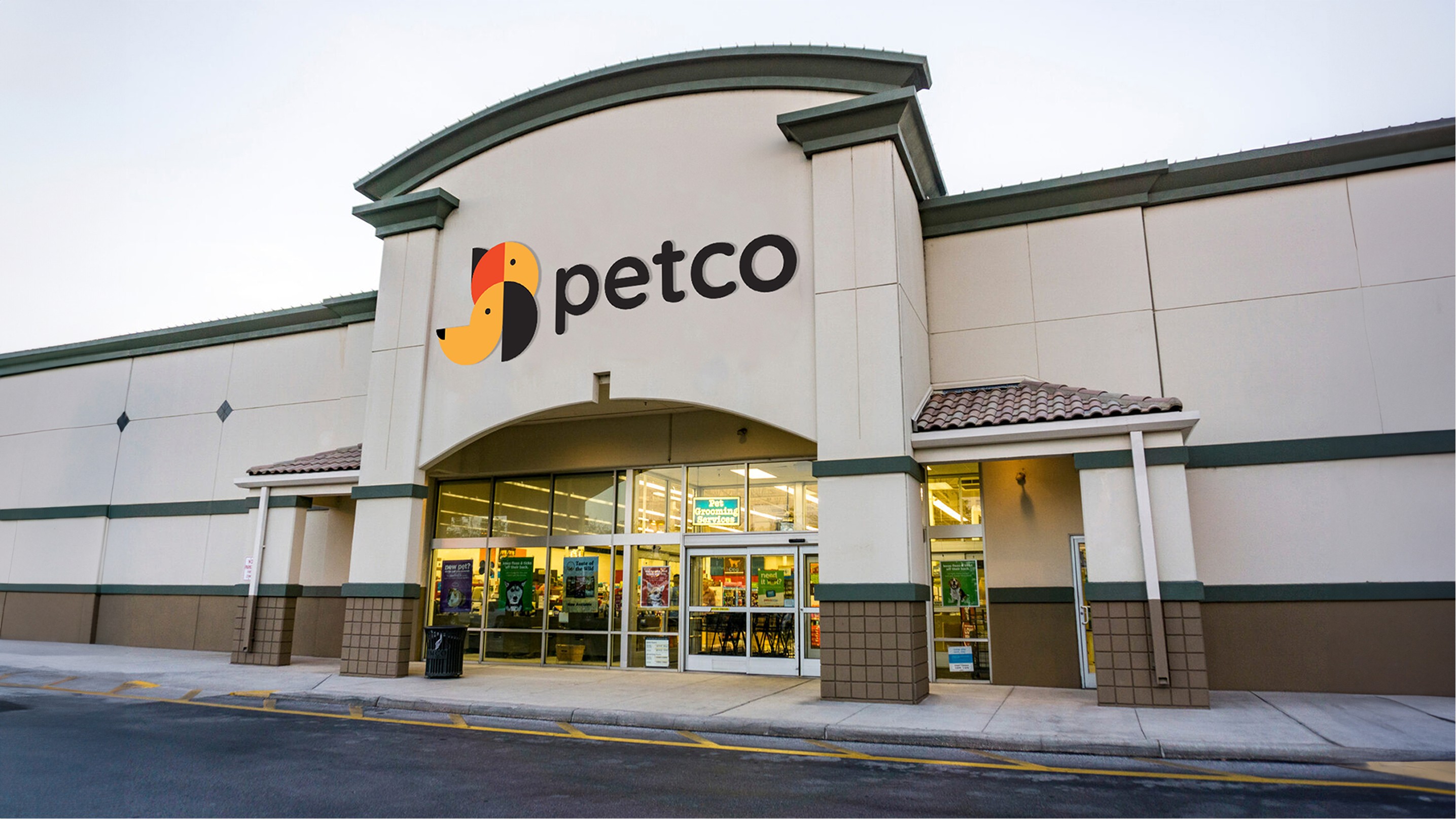
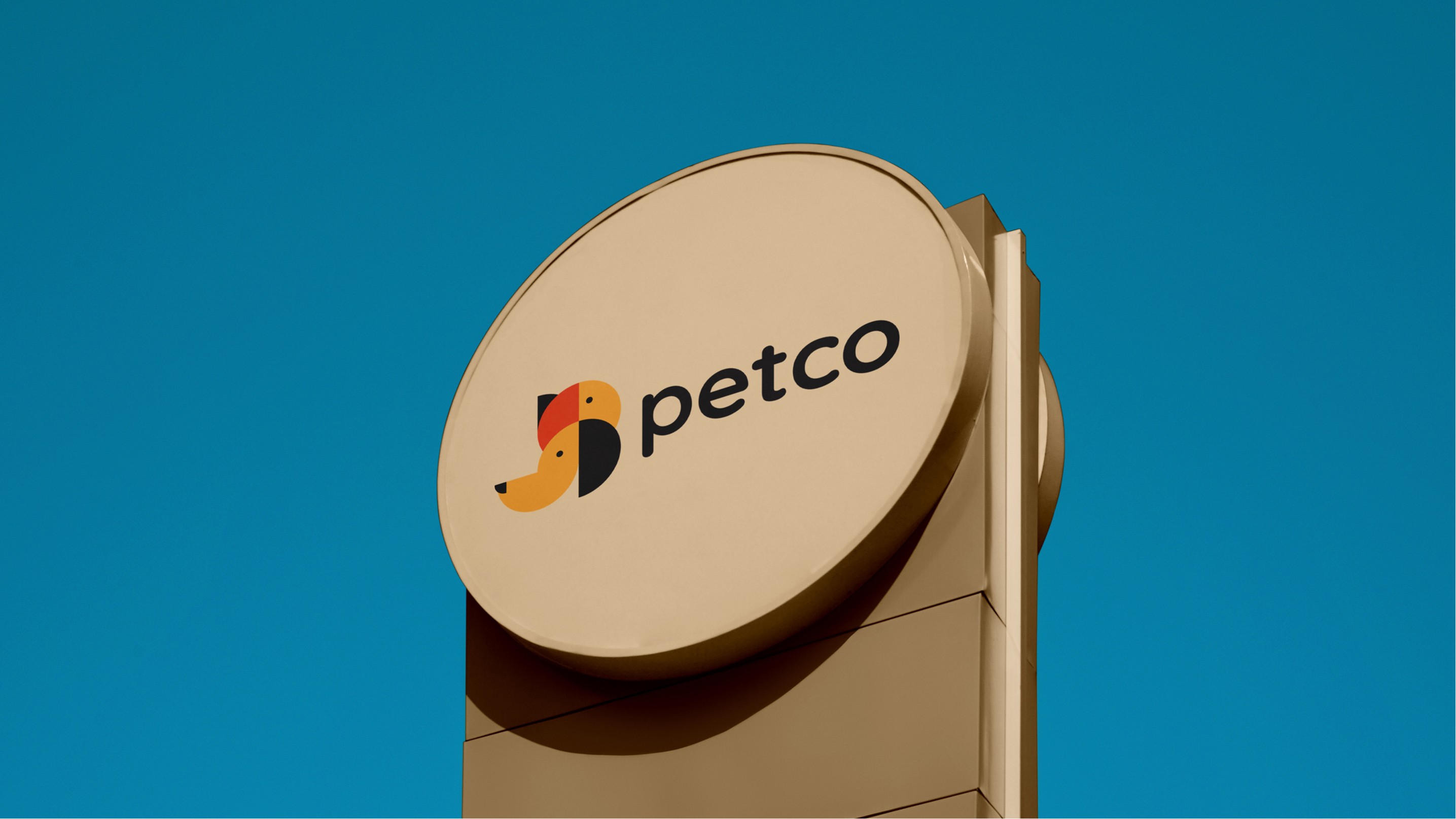
Application

Mark Structure Analysis

Brand Typeface

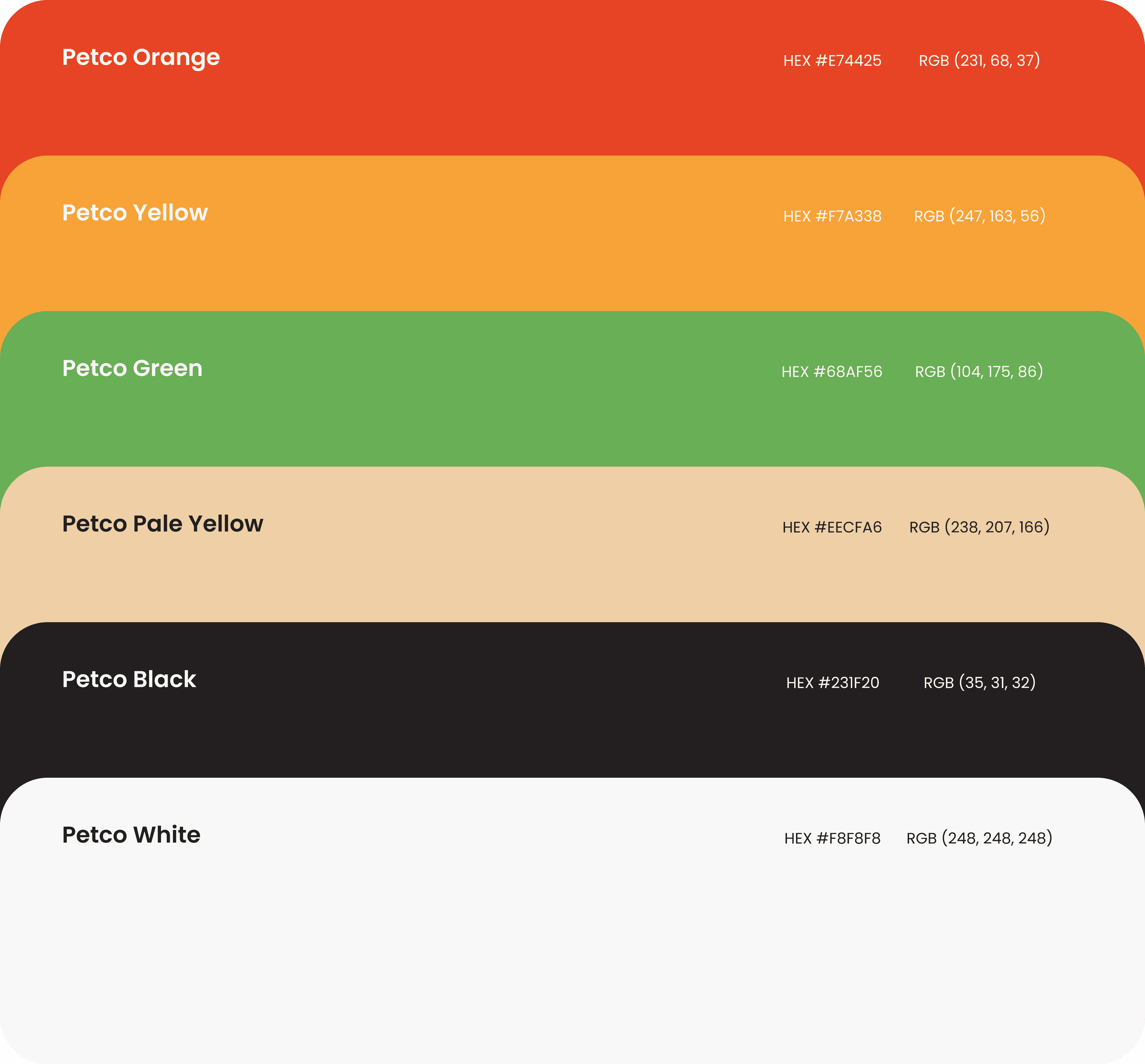
Brand Color Pallet

Social Media

Reflection

Reflection

What I learned

What I learned

This project taught me how to effectively utilize the limited space in mobile design. Choosing the right elements is crucial, as mobile screens offer much less room compared to desktop designs. One key lesson came from my low-fidelity design, where I decided to remove the logo from the homepage. This decision allowed for more space to display events, which are the primary focus of the app. By prioritizing content over branding in this case, I ensured that users could easily access the most important information without unnecessary distractions. This experience highlighted the importance of thoughtful decisions when it comes to designing for small screens and maximizing the user experience.

What is the next step

What is the next step

This project taught me how to effectively utilize the limited space in mobile design. Choosing the right elements is crucial, as mobile screens offer much less room compared to desktop designs. One key lesson came from my low-fidelity design, where I decided to remove the logo from the homepage. This decision allowed for more space to display events, which are the primary focus of the app. By prioritizing content over branding in this case, I ensured that users could easily access the most important information without unnecessary distractions. This experience highlighted the importance of thoughtful decisions when it comes to designing for small screens and maximizing the user experience.

Next Project

ria9984yan@gmail.com

ria9984yan@gmail.com

ria9984yan@gmail.com